

heat reflective glass
The Telescoping Bore Gauge An Overview and Its Applications In the world of precision measurement, the telescoping bore gauge stands out as an essential tool for engineers, machinists, and quality control specialists. This specialized measuring instrument is designed to accurately gauge the internal diameter of holes and cylindrical parts, making it crucial for quality assurance in manufacturing processes. This article delves into the design, functionality, advantages, and applications of the telescoping bore gauge. Design and Functionality A telescoping bore gauge typically consists of a central rod with two or more the flexible arms that can be adjusted to fit the diameter of the bore being measured. The measuring tips are usually made from hardened steel to withstand wear and tear, ensuring long-term accuracy. The arms retract into the main body, allowing for easy insertion into the bore. To use a telescoping bore gauge, the operator expands the arms inside the bore until they come into contact with the wall. Once the gauge is fully expanded, it is carefully removed from the bore, and a measurement is taken with a micrometer or caliper that measures the distance between the two tips of the gauge, providing a precise internal diameter measurement. Advantages of Telescoping Bore Gauges One of the primary advantages of telescoping bore gauges is their ability to provide highly accurate measurements of internal diameters, which are often challenging to gauge with traditional measuring devices . The precision of these gauges is crucial, especially in industries where tolerances are tight, such as aerospace, automotive, and manufacturing. Moreover, telescoping bore gauges are portable and easy to use. Unlike large measuring machines, they can be carried around, making them convenient for use on the shop floor. Their design allows them to measure deep holes where direct measurement methods might be impractical. telescoping bore gauge The versatility of telescoping bore gauges also extends to their ability to measure various sizes of bores, as they can be adjusted to fit different diameters. This adaptability makes them a cost-effective solution for many businesses, as a single gauge can cover a range of measurement needs. Applications Telescoping bore gauges find their utility in numerous applications across various industries. In the automotive sector, they are frequently used to measure the internal diameter of engine cylinders, crankshaft bores, and other components where precision is paramount. Ensuring that these parts meet specifications is crucial, as even minor deviations can lead to performance issues. In the aerospace industry, the stakes are even higher. Components must adhere to strict standards to ensure safety and performance. Telescoping bore gauges help manufacturers maintain tight tolerances for parts such as turbine engine casings and fuselage assemblies. The manufacturing sector also benefits from the use of telescoping bore gauges in quality control processes. They are essential for inspecting the machined parts, helping to ensure that they meet the required specifications before they proceed to assembly or delivery. Conclusion In conclusion, the telescoping bore gauge is an indispensable tool in the realm of precision measurement. Its ability to accurately gauge the internal diameter of various components makes it a favorite among professionals in the automotive, aerospace, and manufacturing industries. With their ease of use, portability, and versatility, telescoping bore gauges continue to play a vital role in maintaining quality assurance and ensuring that components are produced to the highest standards. As industries evolve and the need for precision increases, the importance of tools like the telescoping bore gauge will only continue to grow.
about
heat reflective glass
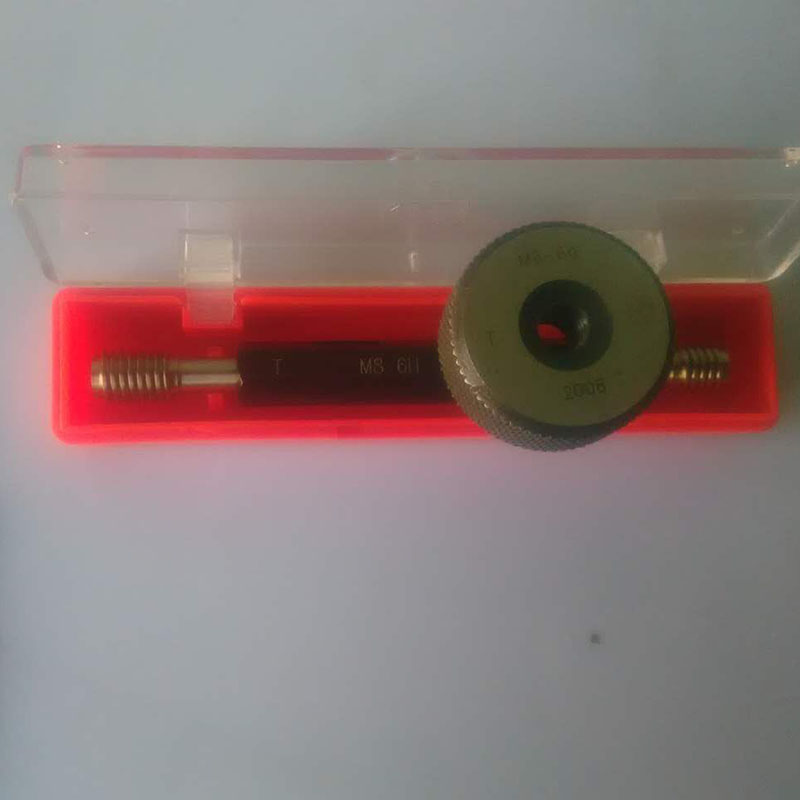
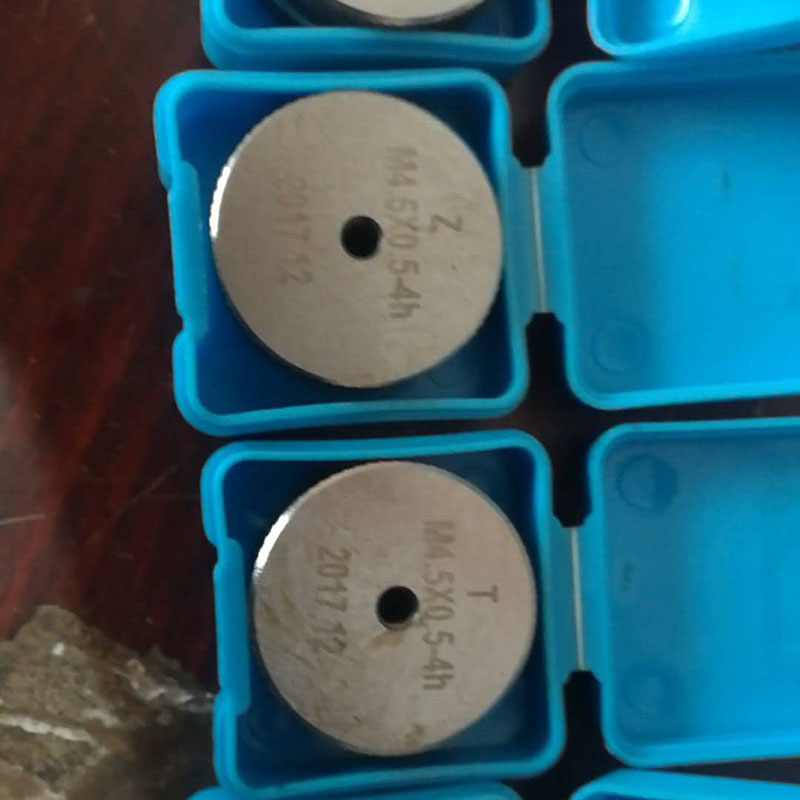
Understanding Thread Ring Gauge Go and No-Go Measurements In the world of precision manufacturing and engineering, ensuring the accuracy and reliability of threaded components is crucial. One of the key tools used for this purpose is the thread ring gauge. This article explores the concept of thread ring gauges, specifically focusing on the Go and No-Go standards. What is a Thread Ring Gauge? A thread ring gauge is a cylindrical tool used to assess the thread dimensions of a workpiece. It is designed to provide a definitive measurement of the thread’s pitch, diameter, and profile. Thread ring gauges come in pairs the Go gauge and the No-Go gauge. Together, they help ensure that threaded components meet strict tolerances, which is vital for the interchangeability and functionality of parts in various applications. The Go Gauge The Go gauge is the first of the pair used in the measurement process. Its primary purpose is to confirm that the workpiece’s threads are within acceptable limits. The Go gauge should fit onto the threaded part without excessive force. If the gauge fits easily, it indicates that the thread cut on the workpiece is acceptable regarding the major and minor diameters and the thread pitch. The Go gauge is usually slightly larger than the minimum allowable size of the thread. This ensures that if a part passes the Go gauge test, it can be safely considered to be within acceptable tolerances for its application. The No-Go Gauge thread ring gauge go no go On the other hand, the No-Go gauge serves a different but equally important role. Designed to ensure that the threaded part does not exceed the maximum allowable size, the No-Go gauge should not fit onto the threaded component. If it does fit, the thread is considered out of tolerance and requires remediation, whether that means reworking the part or scrapping it altogether. The No-Go gauge is usually slightly smaller than the maximum allowable size for the thread. This makes it an essential tool for preventing manufacturing errors that could lead to poor assembly or malfunctions in the final product. The Importance of Go and No-Go Gauges The use of Go and No-Go gauges is fundamental in the quality control process of manufacturing threaded components. By using these gauges, manufacturers can ensure their components meet specified dimensions, thus allowing for proper assembly in larger systems. This is particularly important in industries where precision is non-negotiable, such as aerospace, automotive, and medical equipment manufacturing. Another critical aspect is that using Go and No-Go gauges can help in reducing production waste. By identifying defects early in the production process, manufacturers can correct issues before they lead to significant failures, thereby optimizing operational efficiency and reducing costs. Conclusion In summary, thread ring gauges, specifically the Go and No-Go types, play an essential role in the quality assurance of threaded components. They provide a simple yet effective means of verifying that threads conform to specified dimensions, ensuring reliability in manufacturing processes. As industries continue to demand higher precision and quality, the importance of these gauges in maintaining operational standards will only grow. Understanding and implementing these tools is crucial for any organization committed to excellence in manufacturing.
-

High quality industrial productsagement

High quality industrial products
View Details -

Meet the diverse needs of customers

Meet the diverse needs of customers
View Details -

Strict quality control

Strict quality control
View Details -

Top raw materials

Top raw materials
View Details -

Trusted supplier

Trusted supplier
View Details
Our application

news and information

Valvola di ritegno libera
Valvole di Chiusura Un Elemento Fondamentale nelle Infrastrutture Industriali Le valvole di chiusura
Water valve fails to close properly and leaks persist
Troubleshooting a Water Valve That Won't Shut Off Encountering a water valve that refuses to shut of
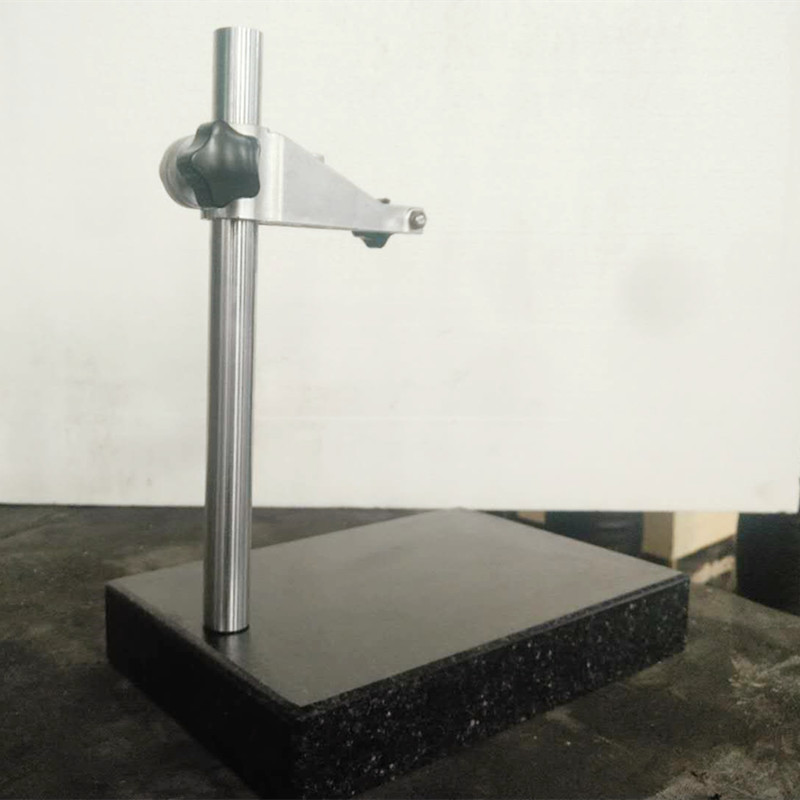
V Blocks for Sale – Precision V Block Types & Cast Iron Vee Blocks
Storaen (Cangzhou) International Trading Co. Official Website: https://www.strmachinery.com E-mail:
 English